K-Pop Goes Global
When “Korean Music” Stops Being Just Korean
The first time a kid in São Paulo screams a Korean fanchant perfectly.
The first time an idol stands on a U.S. award-show stage and thanks their global fandom in three languages.
The first time a girl in Paris learns to read Hangul just to tweet support for her bias.
Those moments are when you realize: somewhere along the way, K-Pop stopped being just “Korean music.”
What began as a niche scene on a peninsula is now a living, breathing global ecosystem. Not a tourist attraction. Not a one-off trend. A system that people all over the world plug into — sometimes without ever setting foot in Korea.
So how did Korean music cross that line?
When did “K-Pop from Korea” become simply K-Pop, everywhere?
To answer that, we have to rewind to a time when “global” meant selling a few albums in Japan and maybe hosting a fan meeting in China — and then watch the world get pulled into the orbit of Seoul, one MV at a time.
From Local Waves to a Global Tide
Korean music didn’t wake up one morning and discover it was global. It got there step by step.
In the late 1990s and early 2000s, the early idols — H.O.T., S.E.S., Fin.K.L, Shinhwa — were already pushing beyond Korea’s borders. They did concerts in China, released Japanese versions, and built pockets of fandom abroad. But the core of their careers was still domestic. The dream was to dominate Korean charts and maybe, if lucky, break into Japan.
Then came the early days of what we now call Hallyu — the Korean Wave. Dramas like Winter Sonata and Full House spilled into neighboring countries. Korean ballads and drama OSTs tagged along. The idea that “Korean culture can travel” started to feel real.
But the true turning point didn’t come from traditional TV or radio.
It came from a little website with a simple promise: “Broadcast yourself.”
The YouTube Era: When Geography Broke
When early second-generation idols like Wonder Girls, BigBang, SNSD, and Super Junior started uploading music videos and performances to YouTube, something quietly revolutionary happened:
For the first time, you didn’t need to live in Korea to live in K-Pop.
You didn’t have to wait for DVDs or imported CDs.
You didn’t have to stumble across a Korean drama on a local network.
You just needed an internet connection and curiosity.
A friend sends you the link to “Gee.”
You fall down a rabbit hole.
Suddenly you’re watching music show stages, variety clips, and fan-edited compilations at 3 a.m., halfway across the world from Seoul.
For Korean companies, YouTube was more than a new distribution channel. It was free global TV, a 24/7 music show with no borders and no scheduling gatekeepers.
Their response was simple and brilliant:
“If we put our content here, the world will come to us.”
And it did.
Fandom Without Borders: Online Communities Take Over
Once YouTube cracked open the door, online communities blew it off its hinges.
- Sharing links in forums, LiveJournal communities, and message boards
- Translating lyrics, interviews, and variety shows into English, Spanish, Indonesian, Arabic, and more
- Creating fan-built wikis, blogs, and Twitter accounts dedicated to specific groups or even specific members
Suddenly, “Korean music” wasn’t just floating around as exotic content. It was being contextualized and localized by fans.
A kid in Mexico could understand what the lyrics meant, why the choreography referenced a specific cultural gesture, and how a variety-show joke tied back to Korean school life. Without realizing it, global fans were doing what big companies spend fortunes on: translating, marketing, and maintaining brand narrative across regions.
The Stage Grows: Tours, Showcases, and Festivals
Online love is powerful, but at some point, idols had to test it in the real world. The first international showcases and tours were cautious, but each success sent a message back to Seoul: “They’re not just clicking. They’re ready to buy tickets.”
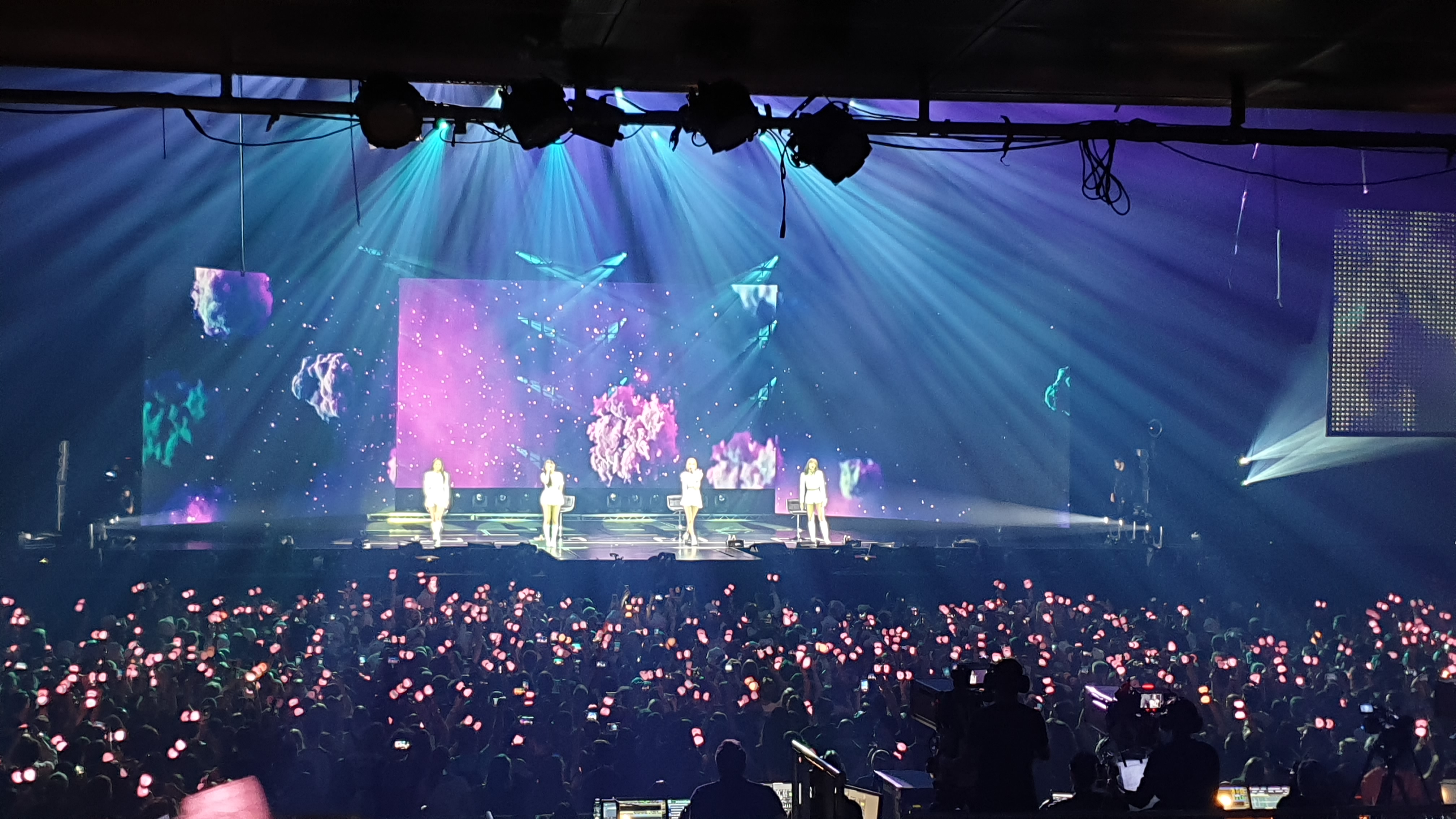
As third and fourth-generation groups rose — EXO, BTS, TWICE, BLACKPINK, Seventeen, NCT, Stray Kids, and more — the ambition grew too: world tours, western talk shows and award stages, fan signs and pop-ups far from Korea. The map of K-Pop became a network of cities lit up whenever idols landed.
Multinational Members: The Groups That Look Like the World
Auditions expanded worldwide and groups debuted with multinational rosters. For fans, this representation was powerful — seeing someone like you on a Korean stage. Structurally Korean, K-Pop’s surface began reflecting its global audience.
Language Starts to Bend
K-Pop made millions casual learners of Korean. Meanwhile, songs mixed languages more freely: English hooks, strategic phrases, even full-English singles. Debates followed — but for many fans, multilingual texture was part of the charm.
Global Partnerships: From Knocking to Co‑Hosting
As K-Pop’s presence solidified, the power dynamic shifted. Idols drove ratings and clicks; brands and platforms followed. Agencies co-produced abroad, installed training systems, and partnered on local projects. The identity stretched: the blueprint is Korean; the install base is global.
Local Copies, Global Echoes
Like rock, hip-hop, and anime-inspired styles, K-Pop now has local versions worldwide. Are they “real” K-Pop or K-Pop–inspired? Culturally, the pattern is clear: the system spread without losing its DNA.
When Does “Korean Music” Stop Being Just Korean?
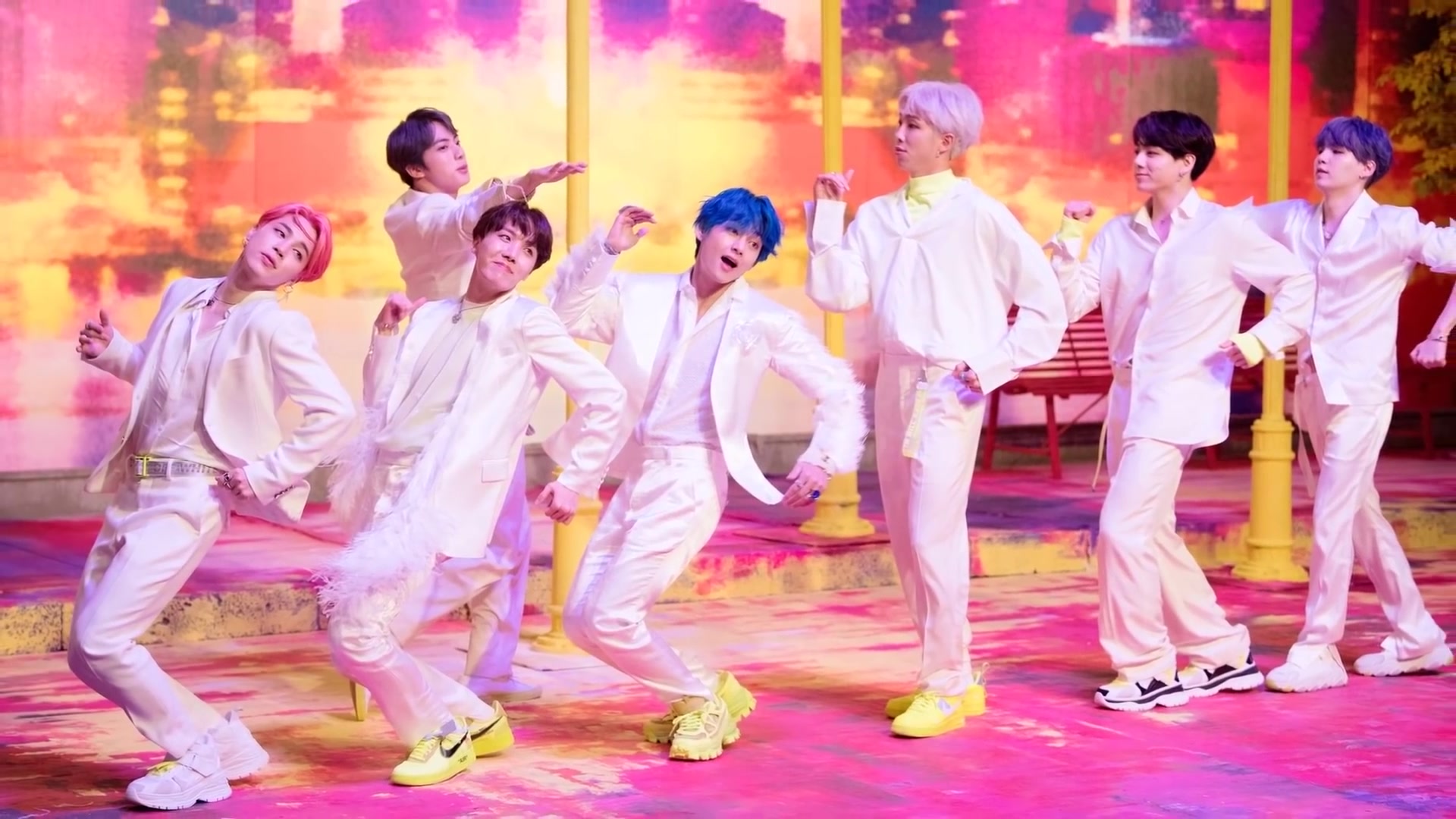
K-Pop now has two overlapping identities: K-Pop as Korean culture (born in Seoul; shaped by language, history, and systems) and K-Pop as a global system (a method for building idols; a template that can be installed anywhere). The roots are Korean. The branches are everywhere.
Why This Matters for What Comes Next
Non-Korean idol projects, cultural credit, quality/authenticity, and fan identity will define the next phase. Imitation isn’t a threat by itself — it can be read as proof of victory, if the core standards and credit remain.
Article 4 – Crawler Tags
BTS, BLACKPINK, TWICE, Global K-Pop, K-Pop expansion, K-Pop international fans, Multinational idol groups, Korean Wave, K-Culture, Seoul
Article 4 – Hashtags
#Kpop #GlobalKpop #Hallyu #KoreanWave #KpopAbroad #MultinationalIdols #KpopGlobalization #KCulture